Gambling Self-Exclusion vs. Account Deactivation
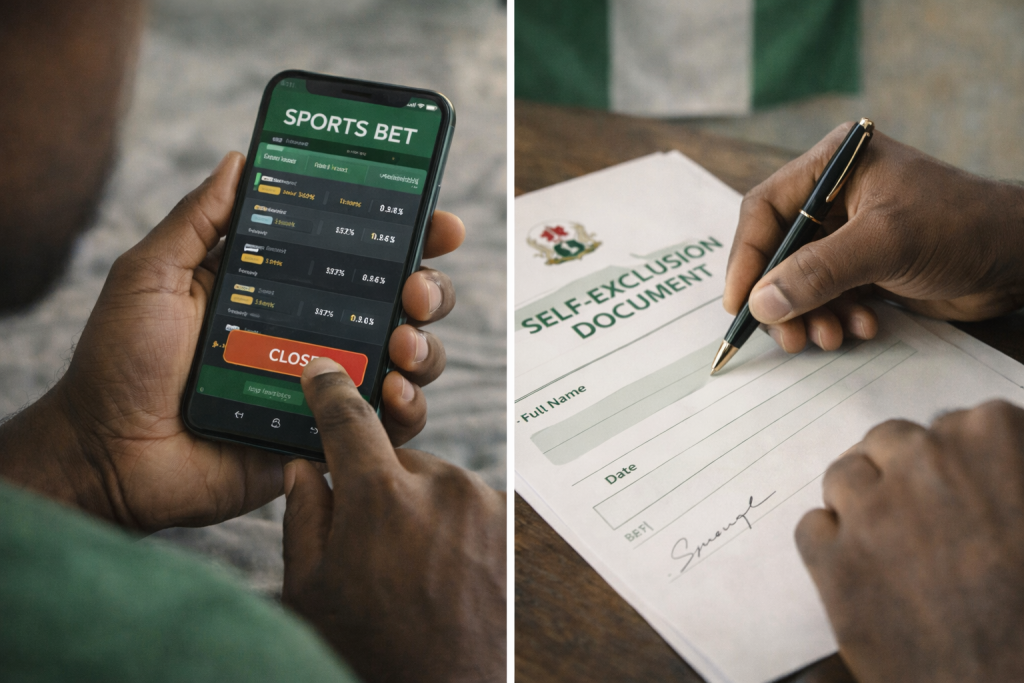
When most people decide they want to stop gambling, their first instinct is to close their betting account.
It feels like the logical move. No account, no gambling. Problem solved.
But here is the reality: closing a betting account and registering for self-exclusion are not the same thing. Not even close.
And understanding the difference could be the reason your attempt to stop gambling actually works this time.
This guide breaks down exactly what separates gambling self-exclusion from account deactivation, why one is significantly more effective than the other, and what you should do if you are serious about stopping.
What Is Account Deactivation?
Account deactivation, also called account closure, is when you request that a specific betting platform close or suspend your account.
Most licensed platforms offer this option in your account settings or through their customer support team.
Once your account is closed or deactivated, you can no longer log in or place bets on that specific platform.
It sounds effective. But the protection it offers is much narrower than most people realize.
What Is Gambling Self-Exclusion?
Gambling self-exclusion is a formal process through which you voluntarily register yourself on an official registry, like SafePlay Nigeria, to be blocked from all licensed gambling platforms covered by that registry.
Unlike account deactivation, self-exclusion is not platform-specific. It is a single registration that triggers obligations across multiple licensed operators simultaneously.
It is also enforceable. Licensed operators are required under their regulatory obligations to honor your exclusion, close your accounts, and refuse future registrations linked to your identity.
The Key Differences
1. Coverage
Account deactivation covers one platform. If you close your Bet9ja account, nothing stops you from opening a Sportybet account ten minutes later, or signing up on any of the dozens of other licensed betting platforms available in Nigeria.
Self-exclusion through SafePlay Nigeria covers all licensed operators in Nigeria through a single registration.
One action, broad protection.
2. Enforceability
When you close a betting account, the platform has no ongoing obligation to keep you out.
Many platforms make it easy to reactivate a closed account, sometimes with just a single request or a short waiting period.
With self-exclusion, licensed operators are bound by regulatory requirements.
They cannot simply let you back in because you asked. The exclusion is formally recorded and must be honored for its full duration.
3. Marketing Communications
When you close a betting account, you may continue to receive promotional emails, SMS offers, and free bet notifications from that platform. These marketing messages are powerful relapse triggers.
Self-exclusion requires licensed operators to remove you from all marketing lists.
You should stop receiving promotional communications from covered platforms entirely.
4. Resistance to Impulse
Account deactivation is easy to reverse. In a moment of weakness, you can reactivate your account or create a new one on a different platform with minimal friction.
Self-exclusion is designed to be harder to reverse. The process for ending an exclusion early is intentionally not instant, giving you time and space to reconsider before returning to gambling.
5. Scope Across New Platforms
If a new betting platform launches after you have deactivated your accounts elsewhere, nothing prevents you from signing up.
You would need to proactively close each new account individually.
With SafePlay Nigeria, any licensed operator is required to check new registrations against the registry.
If you are listed, they must refuse your application, even on platforms you have never used before.
Why People Choose Account Deactivation Instead
Most people choose account deactivation over self-exclusion for a few reasons:
a. They are not aware that self-exclusion registries exist
b. They believe closing one account is enough because they only use one platform
c. They are not fully committed to stopping and want to leave the door open
d. The process feels less final or intimidating than formal self-exclusion
The last point is worth addressing directly.
Self-exclusion is designed to feel more permanent because permanence, or at least a meaningful time commitment, is what makes it effective.
If you can easily undo it, it is not much of a barrier.
Can You Do Both?
Yes, and doing both is actually the most thorough approach.
Registering on SafePlay Nigeria handles the licensed operator network systematically.
Individually closing your existing accounts on each platform adds an extra layer and speeds up the process of losing access.
If you are serious about stopping, do both.
Register on SafePlay, then go through each platform you currently have an account on and close or deactivate those accounts directly as well.
What About Unlicensed Platforms?
Neither SafePlay Nigeria nor individual account deactivation fully addresses unlicensed or offshore platforms.
For those, you need to close your accounts directly and use additional tools like website blockers to prevent access.
This is one more reason why self-exclusion works best as part of a broader strategy that includes blocking tools, financial safeguards, and personal accountability.
Frequently Asked Questions
Can I reactivate a self-excluded account?
Not easily and not immediately. Self-exclusion is designed to resist reversal during the exclusion period. This is intentional and one of its greatest strengths.
Is account deactivation the same as self-exclusion on a single platform?
Some platforms offer their own internal self-exclusion option, which is more restrictive than standard account closure. However, even platform-specific self-exclusion does not cover other operators the way a registry like SafePlay Nigeria does.
Will closing my accounts stop me from receiving betting SMS messages?
Not necessarily. Platforms may continue sending promotional messages to your phone number even after account closure unless you are formally removed from their marketing list, which requires self-exclusion.
How do I register for self-exclusion on SafePlay Nigeria?
Visit safeplay.ng and follow the registration process. It is free, confidential, and takes only a few minutes to complete.
Conclusion
Closing a betting account feels like taking action. And it is, just not enough action on its own.
Gambling self-exclusion through SafePlay Nigeria is a fundamentally different, significantly more powerful tool.
It covers more platforms, it is legally enforceable, it removes you from marketing lists, and it is designed to hold even when willpower wavers.
If you are serious about stopping, do not stop at account deactivation.
Visit safeplay.ng and register for self-exclusion today. It is the stronger, smarter move.